As America celebrates its 250th anniversary, Augusta invites you to explore the people, places, and moments that helped shape our nation's story. Home to one of Georgia's signers of the Declaration of Independence, Revolutionary War landmarks, centuries-old churches, and nationally recognized museums, Augusta offers one of the most authentic ways to experience American history in Georgia.

Whether you are looking for a weekend adventure, planning a family outing, rediscovering your hometown, or searching for meaningful things to do in Augusta, the America 250 Augusta History Trail makes it easy to explore at your own pace.

Here are five historic stops that belong on every Augusta history itinerary.

Meadow Garden

Back to Top of List

If there is one place that captures Augusta's connection to America's founding, it is Meadow Garden.

This beautifully preserved National Historic Landmark was the home of George Walton, one of Georgia's three signers of the Declaration of Independence and one of the nation's youngest Founding Fathers. Touring the home offers a fascinating glimpse into late 18th century life while telling the remarkable story of an orphan who became one of America's most influential leaders.

Original furnishings, guided tours, and peaceful gardens help bring this important chapter of American history to life.

Local Tip: visit in the morning when the grounds are especially peaceful. It is one of Augusta's best hidden gems for history lovers and photographers alike.

Meadow Garden

  • 1320 Independence Drive

Explore history at the home of George Walton, one of the youngest signers of the Declaration of Independence. Meadow Garden has been open to the public since 1901 and is a National Historic Landmark and on the National Register of Historic Places. Please visit this historic…

Signers Monument

Back to Top of List

Just a short walk through Downtown Augusta stands one of Georgia's most significant Revolutionary War monuments.

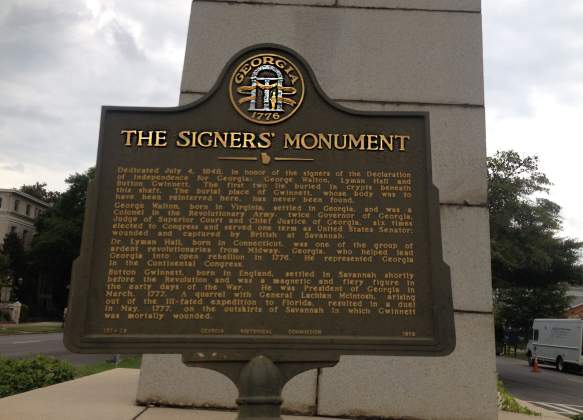
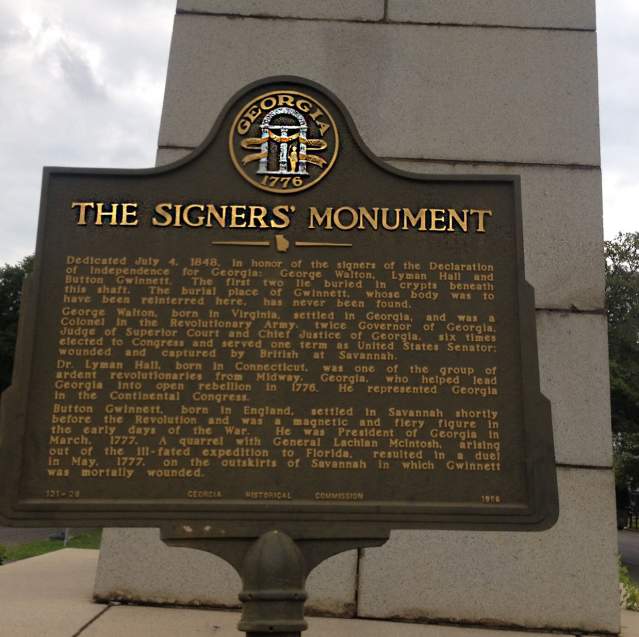
The Signers Monument commemorates Georgia's three signers of the Declaration of Independence while serving as the final resting place of George Walton and Lyman Hall. Rising above Greene Street, this impressive granite obelisk has become one of Augusta's most recognizable historic landmarks and a meaningful stop during America 250 commemorations.

Take a moment to read the inscriptions and reflect on the sacrifices that helped establish a new nation.

Staff Favorite: pair your visit with a leisurely stroll along Greene Street, often called one of Augusta's most beautiful historic corridors thanks to its tree-lined medians and historic architecture.

Signers Monument

  • Greene Street

The monument is located on the 500 block of Greene Street in front of the Augusta Municipal Center, which was in 1848 the location of the City Hall, and marks the graves of two signers of the Declaration of Independence and pays tribute to a third. It is a granite obelisk…

St. Paul's Church

Back to Top of List

Long before Augusta became Georgia's second oldest city, this riverfront site played an important role in colonial life.

Founded in 1749, St. Paul's Church is Augusta's oldest church congregation. The property also served as Fort Augusta, later becoming Fort Cornwallis during the Revolutionary War, making it one of the city's most historically significant locations.

Today, visitors can admire the beautiful architecture, peaceful churchyard, and historic markers while standing on ground that witnessed the earliest chapters of Augusta's development.

Local Tip: after exploring the church, continue your walk to the nearby Augusta Riverwalk, where history meets beautiful views of the Savannah River.

Saint Paul's Episcopal Church

  • 605 Reynolds Street

St. Paul's Episcopal Church is located on the banks of the Savannah River, where in 1735, General Oglethorpe founded Georgia's second city as a fortress and Indian trading center upriver from Savannah. The church grounds are the site of the first church of Augusta built in…

Augusta Canal Discovery Center

Back to Top of List

History did not stop after the Revolutionary War.

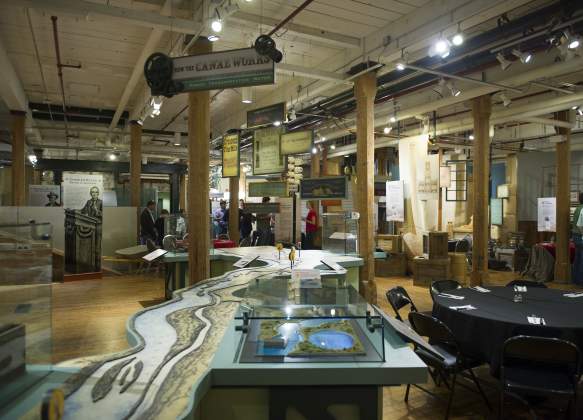
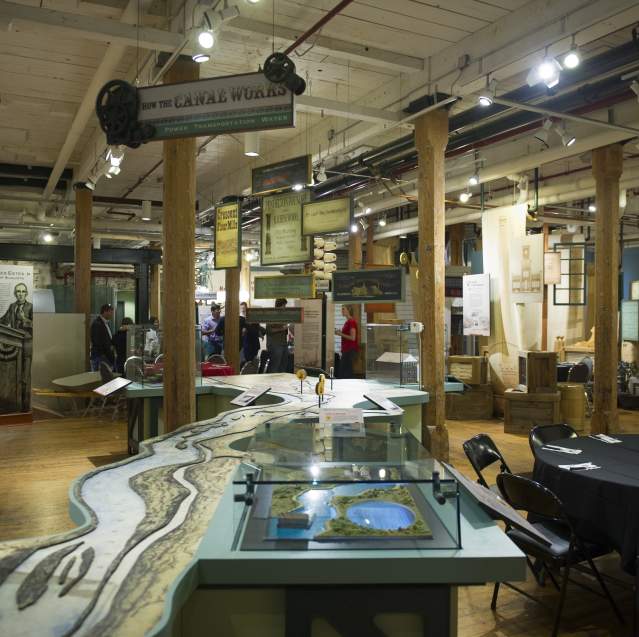
Located inside historic Enterprise Mill, the Augusta Canal Discovery Center tells the story of how Augusta became one of the South's leading industrial cities. Interactive exhibits explain how the Augusta Canal powered textile mills, supported manufacturing, and transformed the city's economy throughout the 19th century.

The Discovery Center also serves as the starting point for the popular Petersburg Boat Tours, giving you the opportunity to experience the canal from the water while learning about Augusta's engineering achievements.

Staff Favorite: if time allows, walk or bike a portion of the Augusta Canal Trail before or after your visit. It is one of the best ways to experience both Augusta's history and natural beauty!

Augusta Canal Discovery Center

  • 1450 Greene Street, Suite 400

The Augusta Canal Discovery Center at Enterprise Mill tells the story of industrial revolution in the American South and how a city used its waterways to reinvent itself and define its destiny. Located in a former textile mill, the Discovery Center is your starting point of…

Augusta Museum of History

Back to Top of List

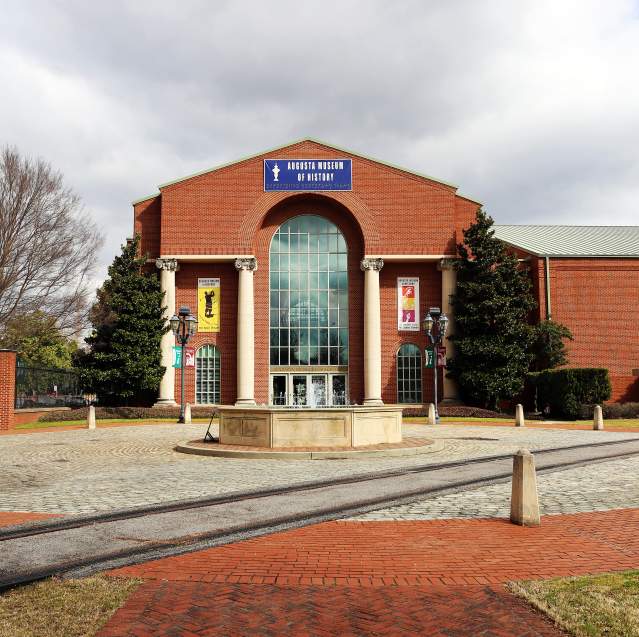
No journey along the America 250 Augusta History Trail is complete without visiting the Augusta Museum of History.

The museum's award-winning permanent exhibition, Augusta's Story, takes you on an incredible 12,000-year journey through the region's past, featuring Native American history, Revolutionary War artifacts, Civil War collections, transportation exhibits, and the story of how Augusta has continued to evolve into the vibrant community it is today.

Many guests also enjoy exploring the museum's famous James Brown exhibit, making this stop just as engaging for music fans as it is for history enthusiasts.

Local Tip: give yourself at least two hours here. There is far more to discover than most people expect!

Augusta Museum of History

  • 560 Reynolds Street

Visit the region's home for history. Featured are a number of permanent exhibitions, including the award-winning Augusta's Story - a 12,000-year journey through local history; a restored 1917 steam locomotive, special exhibits: "The Godfather of Soul, Mr. James Brown,"…

Make History Interactive with the America 250 Augusta History Trail

These five locations are only the beginning.

The free America 250 Augusta History Trail Experience Pass connects you to even more historic sites, museums, churches, monuments, and cultural landmarks throughout Augusta. Simply download the pass to your smartphone, check in as you visit each location, and explore whenever it fits your schedule. There is no app to download, and you can complete the trail over multiple days or weekends.

Whether you are introducing children to American history, planning a day with friends, entertaining out-of-town guests, or simply looking for new things to do around Augusta, the trail offers an engaging way to experience the city's remarkable past.

Continue Your Augusta Adventure

History is only one chapter of Augusta's story.

After exploring the America 250 Augusta History Trail, spend time discovering Downtown Augusta's local restaurants, stroll along the Augusta Riverwalk, browse unique boutiques, or experience one of the many festivals and events happening throughout the year. History, food, outdoor adventure, arts, and Southern hospitality all come together in one unforgettable destination.

Before heading home, stop by Augusta & Co. at 1010 Broad Street to collect your America 250 Explorer button, pick up a free Experience Guide, and discover even more Experience Passes that will help you continue exploring everything the Feel Good City has to offer. Whether it is your first visit or your fiftieth, there is always another story waiting to be uncovered in Augusta.